
Understanding The Hazardous Goods Telematics Solution
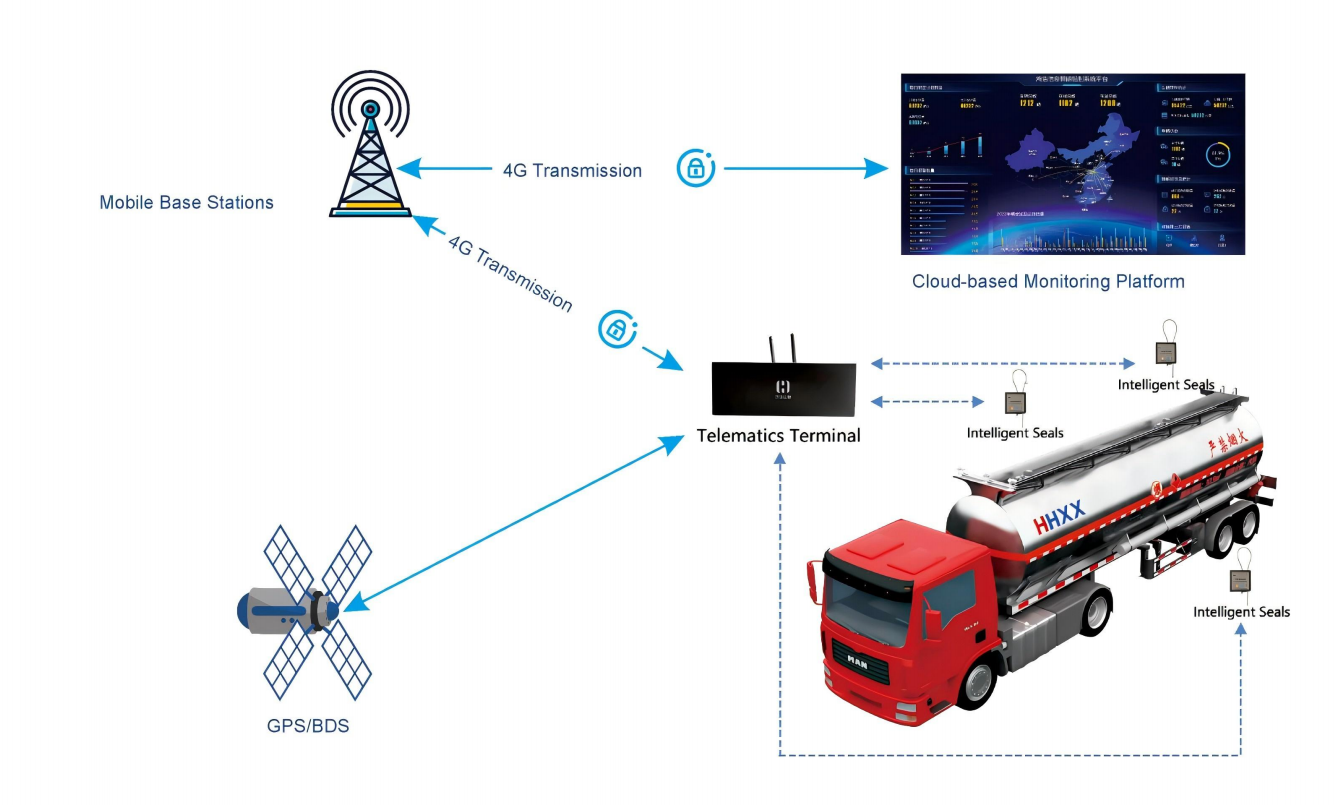
The Hazardous Goods Telematics Solution represents a pivotal advancement in the transportation and management of dangerous materials. At its core, this solution integrates telecommunications and informatics to provide real-time monitoring, control, and data analysis for vehicles carrying hazardous chemicals. The physical attributes encompass a suite of hardware and software components, including GPS modules, intelligent electronic seals, communication gateways, and cloud-based management platforms. These systems are engineered to withstand harsh environments and adhere strictly to industrial standards, such as explosion-proof certifications and rigorous data security protocols, ensuring continuous operation under extreme conditions.
The core classification of a Hazardous Goods Telematics Solution hinges on its primary function and application scope. It generally encompasses Fleet Safety Management Systems, Fuel Distribution Management Systems (FDMS), and specialized intelligent monitoring systems for tanker trucks. The deep definition of these systems lies in their ability to transform traditional, opaque transportation processes into transparent, data-driven operations. By utilizing advanced IoT technologies and multi-constellation satellite positioning, these solutions offer an unprecedented level of visibility and control, safeguarding not only the cargo but also the personnel and the environment.
Industrial standards for these solutions are stringent, given the critical nature of the cargo. Compliance with international regulations concerning the transport of dangerous goods is mandatory. This includes standards for electronic sealing mechanisms, anti-tamper features, and secure data transmission. The architecture is designed to prevent unauthorized access, mitigate risks associated with spills or theft, and facilitate immediate emergency response through dynamic monitoring and command platforms. Ultimately, the Hazardous Goods Telematics Solution is an indispensable framework for modernizing safety and operational efficiency in chemical logistics.
Why Choose HUGO Information For Telematics
The imperative for adopting the Hazardous Goods Telematics Solution provided by HUGO Information over traditional methods is clear, particularly within the computer hardware, software, and services sector dedicated to industrial safety. Traditional transportation often relies on manual checks and fragmented communication, leaving significant blind spots during transit. HUGO's integrated approach eliminates these vulnerabilities by providing end-to-end cargo visibility and integrity. This continuous stream of actionable intelligence is essential for proactive risk management, rather than merely reactive responses to incidents.
HUGO Information's competitive advantage is rooted in its proprietary core technologies, encompassing IoT, big data analysis, cloud computing, and intelligent control. This independent R&D capability ensures that the software and hardware are seamlessly integrated, offering a full-chain, compliant, and digital safety management system. The inclusion of multi-constellation satellite positioning guarantees reliable tracking globally, a crucial feature for complex logistical routes. Furthermore, the specialized explosion-proof technology embedded in their devices addresses a fundamental safety requirement in hazardous chemical environments, a capability that standard commercial telematics often lack.
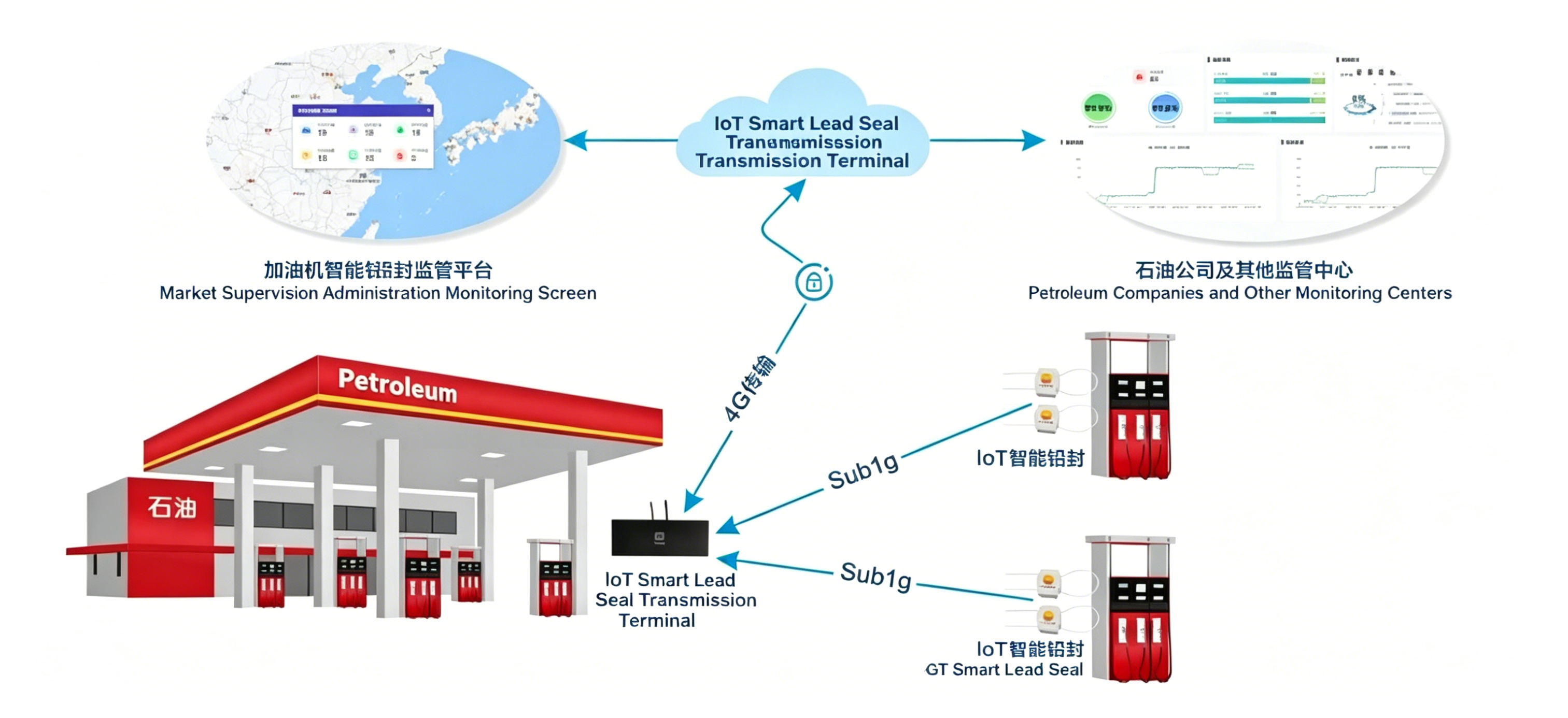
Within the sector, HUGO stands out as a leading provider of intelligent digital solutions for hazardous chemical safety in China, backed by a robust technical team and a comprehensive product certification system. The transition to this advanced telematics solution is not just an upgrade; it is a critical necessity for mitigating liability, ensuring regulatory compliance, and protecting assets. The ability to monitor fuel custody transfers, prevent siphoning, and utilize automatic geo-fencing unlock/lock mechanisms fundamentally redefines operational security and efficiency in hazardous goods transport.
Who Benefits From Hazardous Goods Telematics
The target audience for a Hazardous Goods Telematics Solution is diverse, encompassing key stakeholders across the chemical, logistics, warehousing, and energy sectors. Primarily, fleet operators managing tanker trucks and hazardous chemical transport vehicles are the most direct beneficiaries. These operators require robust systems to track real-time location, monitor vehicle status, and ensure the safety of their drivers and cargo. The intelligent monitoring system for hazardous chemical vehicles provides the necessary tools to achieve these objectives, significantly reducing the likelihood of accidents and unauthorized interventions.
Logistics and supply chain managers form another critical user group. For these professionals, maintaining supply chain resilience and digitalizing oil logistics are paramount. The solution offers vital data for fuel shrinkage control and eliminates fuel siphoning and pilferage, directly impacting the bottom line. The ability to guarantee end-to-end cargo visibility enables managers to optimize routes, manage delivery schedules effectively, and provide accurate updates to their clients, thereby enhancing overall service quality and customer satisfaction.
Furthermore, regulatory bodies, safety officers, and emergency response teams rely on the data generated by these telematics systems. The dynamic monitoring and emergency command platform, featuring tanker truck geofencing security and real-time route deviation alerts, provides critical information needed for swift and coordinated responses to potential incidents. The comprehensive architecture and safety protocols integrated into the solution ensure that all stakeholders have access to the information required to maintain high safety standards and comply with stringent industry regulations.
Global Application And Market Standards
The application of the Hazardous Goods Telematics Solution spans globally, addressing complex logistical challenges in various regions. HUGO Information has successfully deployed its systems across Europe, America, Southeast Asia, the Middle East, and South Africa. These diverse deployments highlight the solution's adaptability to global hazardous chemical transportation, storage, and emergency management scenarios. By addressing specific regional challenges, such as extreme weather conditions or varying regulatory landscapes, the solution proves its robustness and versatility on an international scale.
A compelling use case involves the utilization of the Tanker Truck Smart-monitoring System and the Eaglestar-Intelligent Seal Management System for long-haul transport. In scenarios where high-value fuels or dangerous chemicals are transported across vast distances, the risk of theft and tampering is significant. The deployment of GPS electronic seals and anti-tamper electronic sealing mechanisms provides a secure solution. When a vehicle deviates from its pre-approved route, the system triggers a real-time route deviation alert, enabling immediate intervention and preventing potential loss or safety hazards.
Global market access for these solutions is contingent upon strict adherence to international safety and communication standards. HUGO's integrated services, covering R&D, manufacturing, and system integration, ensure that their products meet these rigorous requirements. The IoT communication integrated equipment and the full-process safety technology solutions must comply with regional explosion-proof certifications and data privacy regulations. This commitment to compliance, coupled with a complete product certification system, enables HUGO to serve global customers with reliable, compliant, and highly effective safety solutions.
Lifecycle And Industry Evolution Trends
The lifecycle of a Hazardous Goods Telematics Solution involves continuous monitoring, regular maintenance, and periodic updates to ensure optimal performance. The hardware components, such as the smart GPS locks and intelligent wireless electronic seals, are designed for durability in harsh environments but require regular inspection to verify their integrity and battery life. The software platform, on the other hand, necessitates ongoing updates to incorporate new features, address security vulnerabilities, and ensure compatibility with evolving communication networks. This continuous maintenance cycle is crucial for maintaining the system's reliability and effectiveness.
Looking towards the future, the industry is trending towards increased integration and advanced analytics. The Hazardous Goods Telematics Solution will increasingly leverage artificial intelligence and machine learning to provide predictive analytics, anticipating potential equipment failures or safety risks before they occur. This proactive approach will further enhance fleet safety management and operational efficiency. The integration of more sophisticated sensors will also provide deeper insights into cargo conditions, such as temperature and pressure, ensuring the safe transport of highly sensitive materials.
Furthermore, the evolution of communication technologies, such as the widespread adoption of 5G, will significantly impact the capabilities of these telematics systems. Faster data transmission and lower latency will enable more complex real-time applications, such as high-definition video monitoring and more responsive remote control features. As the digitalization of oil logistics and supply chain resilience become increasingly critical, the Hazardous Goods Telematics Solution will evolve to become even more deeply integrated into the core operations of enterprises in the chemical, logistics, and energy industries worldwide.
Manufacturing Process And Quality Control
The manufacturing of a robust Hazardous Goods Telematics Solution demands rigorous processes and stringent quality control. HUGO Information's approach to manufacturing is deeply integrated with its independent R&D, ensuring that every product, from the Tank Truck Intelligent Electronic Seal to the IoT Smart Locks, meets precise specifications. The production process begins with the careful selection of industrial-grade components capable of withstanding extreme temperatures, vibrations, and potentially corrosive environments typical in hazardous chemical transport. This foundational step is critical for ensuring long-term reliability.
Quality control is embedded throughout the manufacturing lifecycle. Each device undergoes rigorous testing, including environmental stress screening, to verify its performance under challenging conditions. Specifically, the intelligent control and explosion-proof technology integrated into the hardware must pass specialized certification processes before deployment. The software components, including the Fleet Safety Management System and the dynamic monitoring platform, are subjected to extensive debugging and security audits to prevent vulnerabilities and ensure seamless integration with the hardware devices.
Installation and commissioning are the final, crucial steps in ensuring the system's effectiveness. HUGO provides comprehensive installation guidelines and support to guarantee that the sensors, communication gateways, and electronic seals are correctly deployed on the tanker trucks. The calibration of features like the automatic geo-fencing unlock/lock mechanisms and the emergency remote unlocking solutions must be executed with precision. This full-process safety technology solution approach, combining superior manufacturing with expert installation, guarantees that the system functions as a cohesive, highly reliable safety network.
Analyzing The Total Cost Of Ownership
From a procurement perspective, analyzing the Total Cost of Ownership (TCO) for a Hazardous Goods Telematics Solution requires looking beyond the initial hardware and software investment. The core components, such as the GPS electronic seals, communication integrated equipment, and the central software platform licenses, constitute the upfront capital expenditure. However, procurement officers must also account for installation costs, system integration expenses, and the training required for personnel to effectively utilize the dynamic monitoring and emergency command platforms.
The ongoing operational expenses (OpEx) significantly influence the TCO. These include data communication fees for continuous multi-constellation satellite positioning, regular maintenance and battery replacement for IoT smart locks, and annual software support and update subscriptions. HUGO Information's integrated services approach helps manage these costs by providing a comprehensive, single-vendor solution, reducing the complexities and potential hidden fees associated with managing multiple suppliers. The durability of their explosion-proof technology also contributes to lower replacement rates and maintenance costs over the equipment's lifespan.
Ultimately, the Return on Investment (ROI) for this solution is compelling when evaluating risk mitigation and operational efficiency. By enabling fuel custody transfer monitoring and real-time fuel tracking, the system effectively eliminates fuel siphoning and pilferage, leading to direct financial savings. Furthermore, the enhanced fleet safety management and cargo theft prevention capabilities significantly reduce the financial liabilities associated with accidents, spills, or lost cargo. The improved supply chain resilience and digitalization of operations provide long-term strategic value that far outweighs the initial and ongoing costs of the telematics solution.
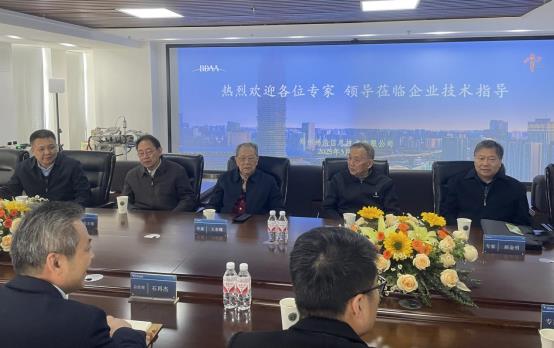
 Academician of Chinese Academy of Engineering Wang Jiayao led the expert group to visit HonghaoAcademician Wang Jiayao led experts to Honghao for Beidou tech consultation, focusing on intelligent spatio-temporal integration and IoT innovations. Explore Honghao's award-winning positioning solutions.
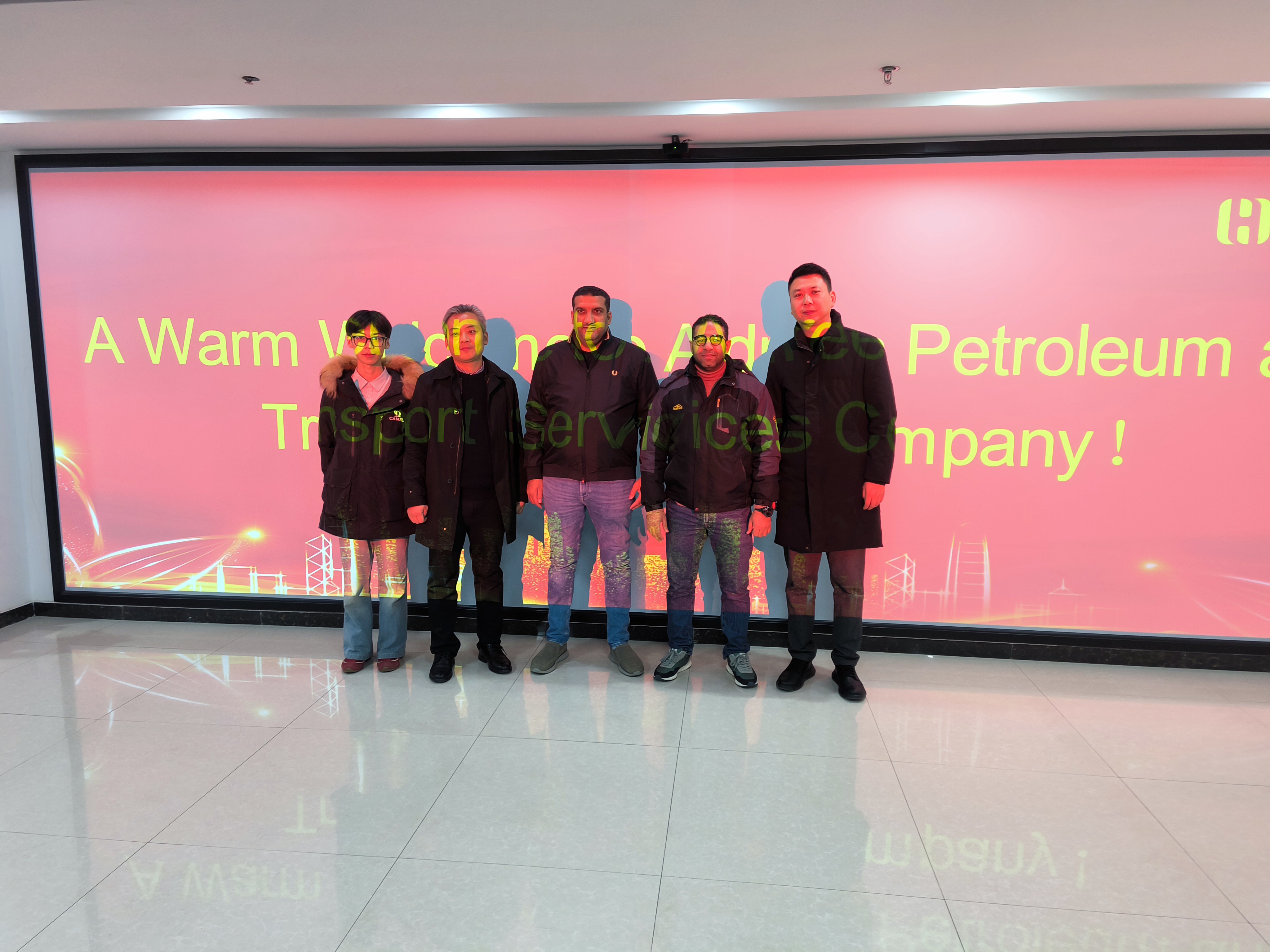
 Aldrees Petroleum and Transport Services Company Visits HUGO Headquarters to Explore Strategic Cooperation in Smart Fuel LogisticsAldrees Petroleum explores HUGO's IoT solutions for secure fuel logistics. Discover cutting-edge anti-theft technology for tank trucks & gas stations.
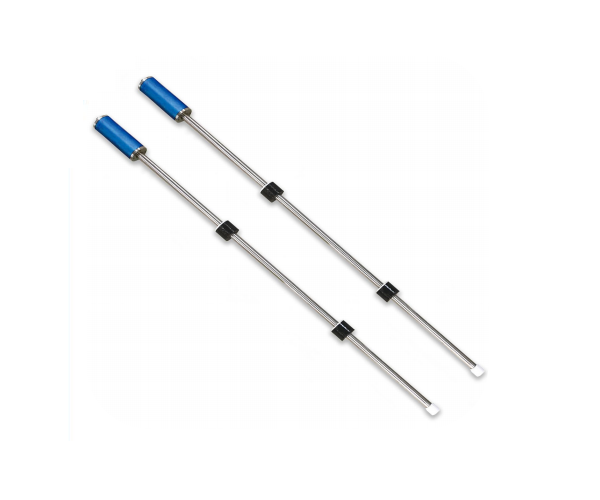
") Automatic Tank Gauge(ATG)Installed at the manhole cover on the top of the vehicle, it serves as an intelligent metering device. Working in coordination with the intelligent central control via wired connection, it can stably and efficiently monitor parameters such as the height (volume), temperature, pressure, and water level of oil products in the tank. The controller (Z10) transmits the data back to the background system in real-time.
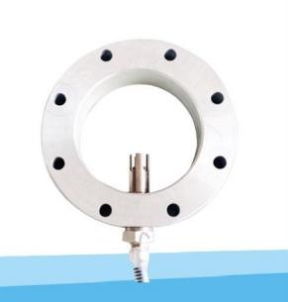
Automatic Tank Gauge(ATG)Installed at the manhole cover on the top of the vehicle, it serves as an intelligent metering device. Working in coordination with the intelligent central control via wired connection, it can stably and efficiently monitor parameters such as the height (volume), temperature, pressure, and water level of oil products in the tank. The controller (Z10) transmits the data back to the background system in real-time.") Emptying Sensor(P10)This device is installed at the oil unloading port pipeline, serving as an intelligent monitoring tool for refined management. It works in coordination with the intelligent central control system via wired connection. Its core function is real-time monitoring of the accumulation status of liquid in the pipeline, accurately determining whether the oil products are completely unloaded, thus providing reliable data support for the management of oil loading and unloading.
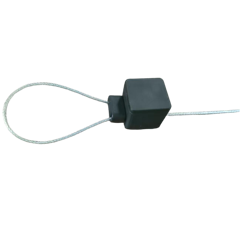
Emptying Sensor(P10)This device is installed at the oil unloading port pipeline, serving as an intelligent monitoring tool for refined management. It works in coordination with the intelligent central control system via wired connection. Its core function is real-time monitoring of the accumulation status of liquid in the pipeline, accurately determining whether the oil products are completely unloaded, thus providing reliable data support for the management of oil loading and unloading.") IOT Lead Seal (Q300)The IOT Seal Strip (Q300) is an intrinsically safe explosion-proof device. It is mainly installed on parts where steel wire physical lead seals need to be applied. The two-code integration design of the lead seal wire ensures its uniqueness. It is used in conjunction with the intelligent terminal (Z20) via near-field communication, and alerts immediately once the seal is broken. It is mainly used to replace traditional steel wire physical lead seals for intelligent management and control with extremely high anti-counterfeiting requirements. Installation locations: risk areas such as oil unloading side box doors, oil tank openings, and fuel dispenser doors.
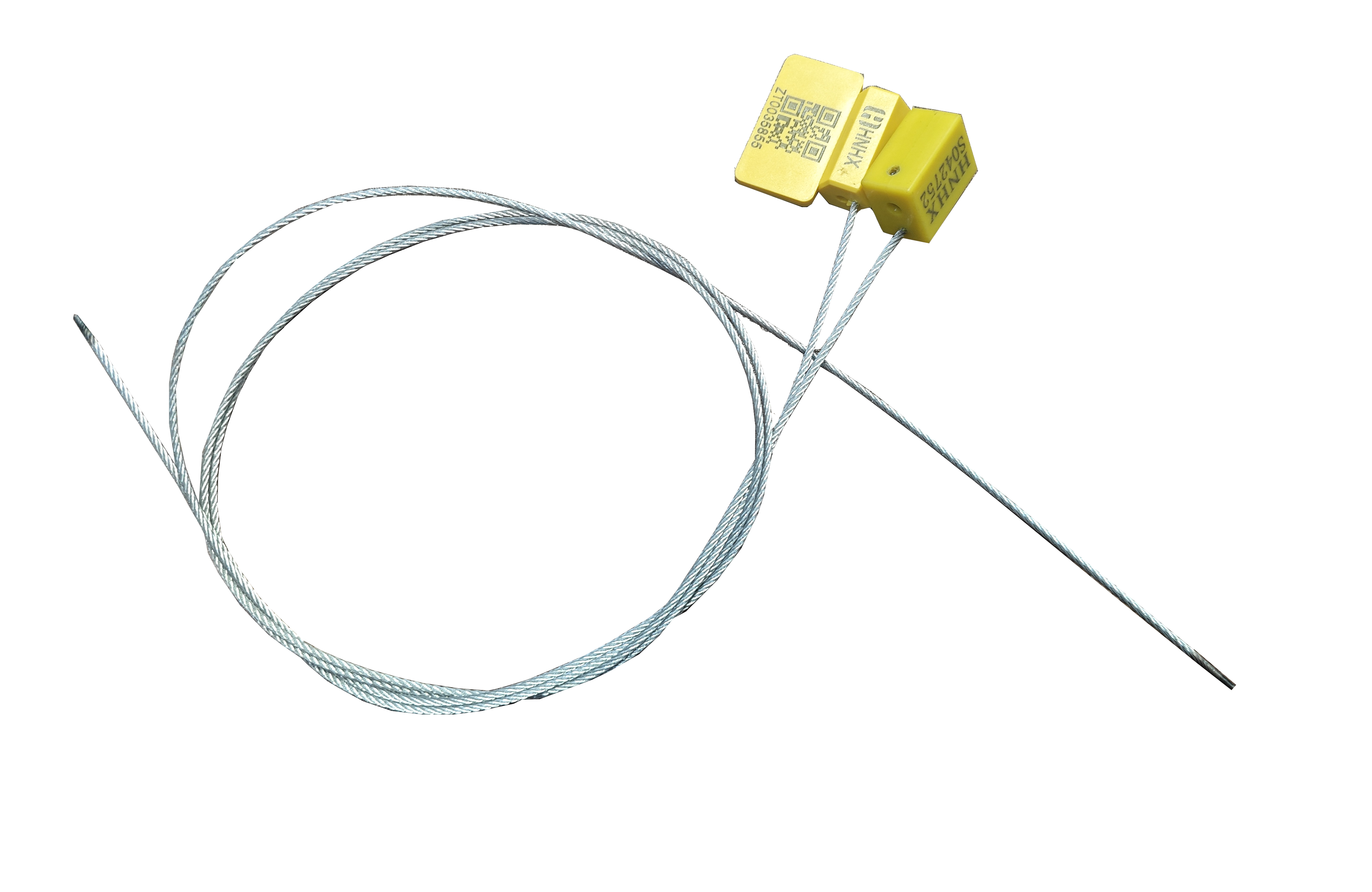
IOT Lead Seal (Q300)The IOT Seal Strip (Q300) is an intrinsically safe explosion-proof device. It is mainly installed on parts where steel wire physical lead seals need to be applied. The two-code integration design of the lead seal wire ensures its uniqueness. It is used in conjunction with the intelligent terminal (Z20) via near-field communication, and alerts immediately once the seal is broken. It is mainly used to replace traditional steel wire physical lead seals for intelligent management and control with extremely high anti-counterfeiting requirements. Installation locations: risk areas such as oil unloading side box doors, oil tank openings, and fuel dispenser doors. RFID Lead SealRFID Lead Seal is a fusion of radio frequency identification (RFID) technology and traditional lead seal anti-theft, anti-counterfeiting function of intelligent sealing products. On the basis of retaining the core attribute of traditional lead seal "one-time blockade, destruction and warning", it realizes digital identification, automatic information collection and full life cycle traceability of sealed objects through RFID chips, and is widely used in scenarios with extremely high requirements for asset safety and process controllability, such as logistics transportation, energy metering, customs supervision, financial escort, etc.
First class quality service and professional after-sales team.
In order to provide you the suitable machine , pls offer below message for us
Get in Touch
We respect your confidentiality and all information are protected.